

How to use social media to create better B2B sales conversations
Social media can help you create better B2B sales conversations when you use it to understand buyers, share useful judgement and earn the right to speak one-to-one.
Most businesses do not need more social media activity. They need more relevance.
Across more than 20 years in sales and commercial leadership, I have seen lots of activity create very little movement. A full content calendar does not automatically create a healthy pipeline. Neither does a large network.
Social media works best when it helps the first real conversation start further forward.
What does B2B social selling actually mean?
B2B social selling is the use of professional networks and social media to understand potential buyers, demonstrate useful expertise, build familiarity and begin relevant sales conversations.
It is not social prospecting with nicer branding.
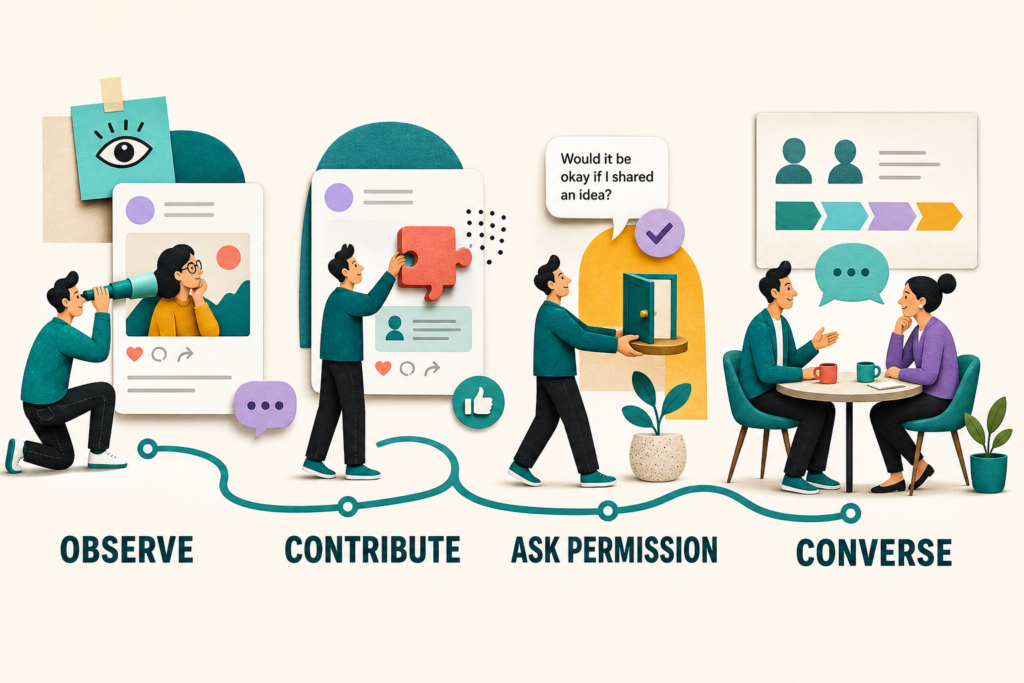
A practical social selling strategy follows this sequence:
Observe → contribute → ask permission → converse
Miss the middle two stages and it tends to feel like a cold pitch wearing a LinkedIn badge.
Why social media for B2B sales matters in 2026 and beyond
A 2025 study in Industrial Marketing Management examined 276 B2B salespeople, 92 sales leaders and 99 buyers.
It found that social media helped sellers identify genuine common ground. That supported more natural small talk, more open communication and useful customer insight, which contributed to stronger creative and sales performance. The effect was clearest in service and mixed product-service sales.
That does not mean trawling through someone’s holiday photographs. It means noticing relevant public context: a point they made, a business change, a shared interest or a problem their team appears to be working through.
Another 2025 B2B study found that public social networks can open the door, but stronger relationships develop through one-to-one channels such as direct messages, email and video calls. It also warned about intrusiveness and channel overload.
plain English: social media can create the opening. Permission and judgement determine what happens next.
1. Make your profile answer the buyer’s first question
A buyer viewing your profile wants to know:
“Is this person relevant to the problem I am dealing with?”
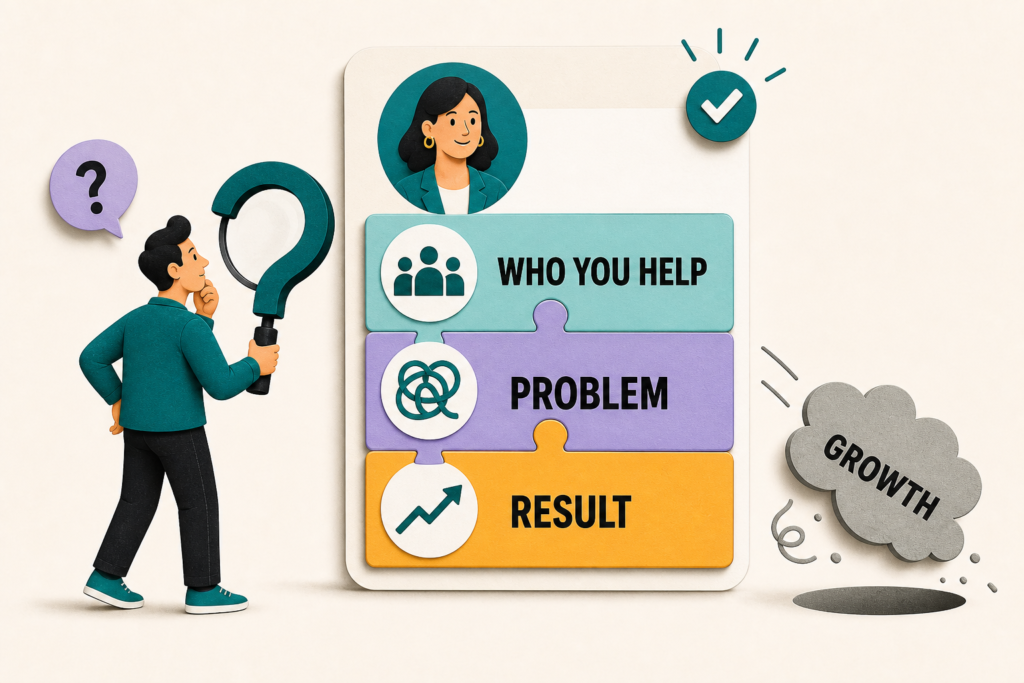
Your headline and introduction should make clear:
- who you help
- what commercial problem you understand
- what changes as a result
“Helping businesses unlock growth” could mean almost anything. (Please can we stop using “unlock”).
“Helping B2B teams improve pipeline quality, qualification and sales conversion” gives the buyer something to recognise.
Specific language reduces uncertainty. It is also more believable. Phill Agnew’s behavioural-science guidance shows why precise claims tend to feel more accurate and trustworthy than rounded, vague ones.
2. Research for relevance, not ammunition
Before you comment or make contact, look for three things:
Commercial context: Is the business hiring, changing direction, launching, restructuring or entering a new market?
Buyer context: What is this person responsible for, discussing or challenging?
Genuine common ground: Is there a relevant experience, opinion or interest you honestly share?
Do not prove how much you know about them. Use the context to avoid asking a generic question they have answered publicly six times already.
3. Publish content that helps buyers recognise a problem
Good B2B content does not need to give away the entire solution. It should help a buyer name what is happening.
For example:
A full pipeline can still be a weak pipeline. If opportunities have no confirmed problem, decision path or reason to act, the CRM is recording hope rather than buying intent.
That gives a sales leader something concrete to agree with, challenge or apply.
Use one clear idea per post. Add an observation, example or useful number. Occasionally admit where an approach does not work.
Behavioural science calls this the pratfall effect: credible people can become more likeable when they acknowledge an honest limitation.
Your content should sound experienced, not polished to the point where no human appears to have been involved.
4. Use comments to demonstrate judgement
“Great post” is pleasant. It is not a conversation.
For LinkedIn social selling, a useful comment adds an example, explains a commercial consequence or asks a thoughtful follow-up question.
Try:
“The handover point is interesting. I often see this appear later as a conversion problem, when the real issue started with unclear qualification. What evidence does your team need before an opportunity moves into pipeline?”
Now there is something worth replying to.
5. Move to a direct message with permission
Do not make the buyer work out why you are in their inbox.
Use context, relevance and a small next step:
“Your point about late-stage deal drift was useful. I see it most often when the buyer has not involved finance or operations early enough. I have a short checklist for spotting that risk. Happy to send it if useful?”
No ambush link. No calendar request. No miniature brochure about your company.
The buyer can make an easy decision.
6. Ask questions that improve the buyer’s thinking
The best social sales conversation should help the buyer think, not just help the seller qualify.
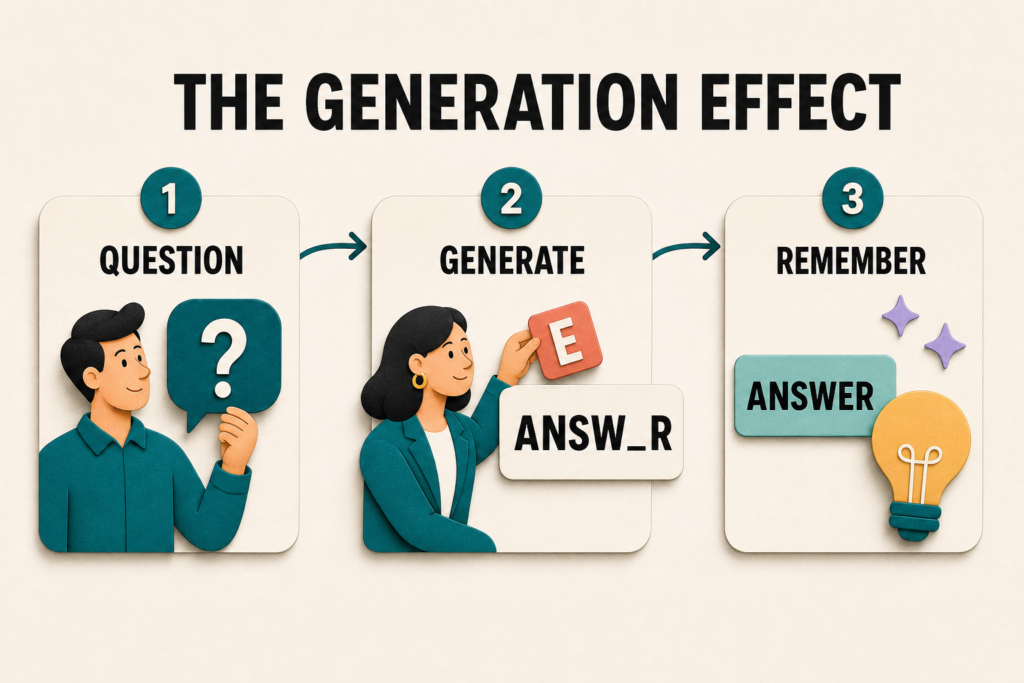
Phill Agnew often refers to the generation effect: people remember an idea better when they have to generate part of the answer themselves.
Instead of:
“Would you like help improving sales?”
Try:
“Which is creating more drag at the moment: poor-fit opportunities entering the pipeline, or good opportunities failing to progress?”
The question is easier to answer, but it also helps the buyer diagnose the problem.
This is the same principle behind customer-centred selling: help people make sense of the decision rather than pushing them towards yours.
7. Create content for the people you cannot see
The person engaging with your post may not control the decision.
The 2025 Edelman–LinkedIn report found that 64% of hidden decision-makers consume thought leadership, and 71% trust it more than product sheets when assessing a supplier’s capabilities.
Write some content that helps your contact explain the issue internally:
- the cost of leaving it unresolved
- the risks of a poor decision
- the questions other stakeholders may ask
- how to compare possible routes
That matters because modern B2B buying behaviour involves more people, more independent research and more internal discussion.
Measure conversations, not applause
Reach and likes can tell you whether content travelled. They do not tell you whether it helped sales.
Track:
- relevant replies and direct messages
- conversations with target accounts
- additional stakeholders reached
- qualified opportunities influenced
- movement from conversation to a sensible next step
If social activity is high but conversations are poor, diagnose the gap. It may sit in your positioning, targeting, content, follow-up or sales process. As I explain in why sales activity does not always turn into revenue, more activity rarely fixes a weak system.
Final thought
Social media is not a substitute for a good salesperson.
Used well, it gives that salesperson better context, more useful ways to contribute and a more natural route into the conversation.
Be specific. Be interested. Add something useful. Ask permission.
Then have a conversation worth continuing.